
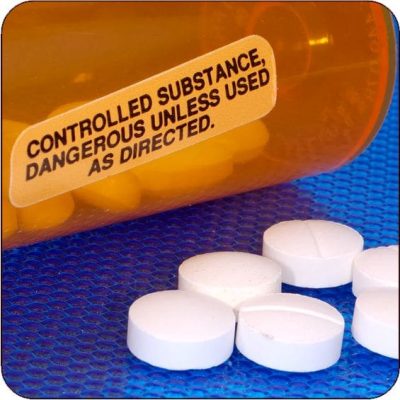
Introduction to Controlled Substances Prescribing
Elizabeth VandeWaa, PhD
An understanding of controlled substances is key to safe prescribing for the Advanced Nurse Practitioner (ANP). In this presentation, the ANP will learn about state and federal laws that apply when prescribing controlled substances, with attention to ethical considerations and rules of prescribing. The ANP needs to understand the indications and contraindications for controlled substances, particularly Schedule II drugs, including their use for pain management in pediatric and geriatric populations. The session provides an overview of opioid and non-opioid controlled substances, along with strategies for preventing misuse and diversion, including state reporting systems and the implementation and use of prescription drug monitoring programs. The topics will include:
- Rules of prescribing
- The Five Schedules
- Prescriptive authority
- Drug monitoring programs
- The basics and types of pain
- Geriatric and pediatric patients
- Opioids
- Non-opioid controlled substances
Prescribing Controlled Substances Safely
Elizabeth VandeWaa, PhD
An understanding of controlled substances is essential for safe and responsible prescribing by the Advanced Nurse Practitioner. This presentation offers a review of state and federal laws governing the prescribing of controlled substances, as well as ethical and fiscal considerations associated with prescribing controlled substances. Indications, contraindications, scheduling requirements, and safe prescribing practices are discussed, with particular attention to Schedule II medications and considerations for pediatric and geriatric populations. This presentation also examines opioids, sedatives, stimulants, selected gastrointestinal and weight loss medications, and anabolic hormones. Strategies to prevent controlled substance misuse and diversion are reviewed, including the use of state reporting systems and prescription drug monitoring programs.
Learning Objectives:Introduction to Controlled Substances
- Describe state and federal laws governing the authority to prescribe controlled substances, including scheduling requirements and Risk Evaluation and Mitigation Strategies (REMS), as well as ethical and fiscal considerations associated with prescribing controlled substances.
- Identify indications, contraindications, and special considerations for prescribing controlled substances, including considerations for pediatric and geriatric populations.
- Recognize strategies for preventing controlled substance misuse, including the roles of state reporting systems and prescription drug monitoring programs.
Schedule II Controlled Substances: Safety, Substance Use Disorders, Ethical and Legal Implications of Use Parts 1-4
Lisa Charneski, PharmD and Kimberly Burns, R.Ph., J.D.
Understanding controlled substance safety is a crucial step for a nurse practitioner. The presentations offer a detailed and concise view of safety, ethical, and legal implications of substance use disorder. Part one presents the prescribing goals, types of pain, substance use disorder, and prescription drug misuse. Part two goes over guidelines, rules, and regulations for prescribers. Part three details the ethical and legal standards that come with prescribing controlled substances and case studies. Part four presents information about considerations of opioid prescribing, naloxone use, adulterated medications, and withdrawal outcomes.
By the end of these four sessions, you will become an expert in understanding prescribing guidelines and the use of controlled substances. You will also gain a better understanding of patients who are at risk for drug misuse.
Part 1:
- Safety, substance use disorder, and ethical and legal implications of controlled substances
- Types of pain and critical care pain observation tool
- Addiction potential of CS II drugs and steps to prevent misuse
Part 2
- Guidelines for prescribers and orders for controlled substances
- Updating practice protocol
Part 3
- Contributions to opioid deaths and the cost of medication
- CDC guidelines for providing pain care and the modified CAGE questionnaire
Part 4
- Considerations of opioid prescribing and Naloxone co-prescribing
- State by state prescribing
- Adulterated medications and withdrawal outcomes