





Barkley & Associates, Inc.

Barkley Blocks for PNP-PCs

Pediatric Primary Care Nurse Practitioner

Barkley Blocks for PNP-PCs: Focused Learning, on Your Terms

Explore and master essential PNP-PC content, one block at a time.

Our Barkley Blocks for PNP-PCs offer the same high-quality instruction from our comprehensive courses (In-Person Live Course, Live Webinar, and Home Study) but broken into smaller, focused modules so you can study exactly what you need, when you need it.

Whether you’re looking to reinforce key topics, brush up on specific areas, or ease into your exam preparation, these curated video blocks provide flexible, self-paced learning without committing to a full 2-day course all at once.

Who This Is For:

Busy NPs needing contact hours for recertification without a full course commitment

NP students wanting to revisit certain topics for national certification

Certified NPs and NP students looking to review specific content for their practice

Each Video Block Includes:

Expert-led, voice-over PowerPoint videos

3-month access period; additional 3-month periods may be renewed indefinitely with a 50% discount!

Compatibility with mobile and desktop devices

Earn contact hours for recertification after simply completing the Course Evaluation

Choose Your Blocks:

Block 1: Health Promotion

1.25 contact hours of Continuing Education (which includes .5 hours of pharmacology)

3 lectures • 57 min

An extensive overview of the physical, cognitive, and psychosocial growth and development stages of the pediatric population, including breastfeeding, vitamin deficiencies, immunization recommendations, and genetic disorders.

A comprehensive look at the major landmarks, developmental warning signs, and guidelines of the pediatric developmental stages.

A thorough examination of immunization guidelines and considerations, ranging from hepatitis B and DTaP to meningococcal and human papillomavirus vaccines.

A summary of the most common genetic disorders and indications for genetic evaluation affecting the pediatric population, including trisomy 21, Klinefelter syndrome, Marfan syndrome, and Turner syndrome.

Block 2: Early Developmental Stages

1.25 contact hours of Continuing Education (which includes .75 hours of pharmacology)

3 lectures • 1 hr and 2 min

A review of the critical markers during the early developmental stages of the toddler and preschool years, including developmental monitoring, anticipatory guidance, well-child visits, neurological exams, and early-life complications.

A comprehensive overview of the newborn assessment, including history, physical examination, screenings, and considerations.

An in-depth summary of health promotion and screenings critical to infant health, including an examination of the Bright Futures/Periodicity Guidelines, developmental monitoring, anticipatory guidelines, and common allergies.

A clinical review of stage-specific guidelines for well-child visits, physical examinations, age-appropriate screenings, motor skills benchmarks, cognitive development, and common disorders that emerge in these early years of childhood.

Block 3: Late Developmental Stages

1.25 contact hours of Continuing Education (which includes .5 hours of pharmacology)

2 lectures • 58 min

A broad exploration of key pediatric concepts that evaluate the late developmental stages and clinical considerations, from immunization and developmental characteristics to psychosocial development and well-child checks.

An in-depth look at stage appropriate screenings and developmental monitoring for school-age children, including concerns and disorders such as obesity, child abuse and neglect, and attention deficit/hyperactivity disorder.

A comprehensive overview of the physical and cognitive developments, including a detailed examination of the unique physical assessment for adolescents, Tanner staging, anticipatory guidance, and critical warning signs of common health issues and disorders.

Block 4: Bones and Nerves

1.25 contact hours of Continuing Education (which includes .5 hours of pharmacology)

2 lectures • 1 hr and 6 min

A thorough examination of pediatric neurological and musculoskeletal conditions, discussing orthopedic injuries, muscular dystrophy, tic disorders, seizures, and primary headache disorders.

An in-depth look at findings, diagnostic tests, and management approaches for the most common pediatric bone, joint, and muscle disorders, including inflammatory, non-inflammatory, structural, and chronic progressive conditions.

An extensive review of the most common neurological conditions affecting the pediatric population, such as migraine headaches and tumors, starting with physical exam findings and diagnostic approaches and finishing with therapeutic considerations.

Block 5: Gastrointestinal and Genitourinary Disorders

1.25 contact hours of Continuing Education (which includes .75 hours of pharmacology)

2 lectures • 48 min

A detailed review encompassing the common pediatric pharmacological strategies and management approaches for diagnosing and treating genitourinary, gastrointestinal, gynecological, and urologic conditions, including gastroenteritis, pyloric stenosis, and other chronic digestive disorders.

A thorough examination of findings, assessments, and treatment options for the most common pediatric conditions affecting the gastrointestinal system, including gastroesophageal reflux disease, malabsorption syndrome, celiac disease, appendicitis, hepatitis, and ulcerative colitis.

An in-depth evaluation of the reproductive and genitourinary health conditions affecting the pediatric population, such as enuresis, urinary tract infection, hypospadias, testicular torsion, dysmenorrhea, and bacterial vaginosis, including the assessments required for accurate diagnosis and effective management.

Block 6: Heart and Lungs

.75 contact hours of Continuing Education (which includes .75 hours of pharmacology)

2 lectures • 40 min

A comprehensive overview of pediatric cardiovascular and pulmonary conditions, encompassing congenital and acquired heart diseases, respiratory disorders, diagnostic approaches, and current GINA treatment recommendations.

An in-depth introduction to the general principles of the heart, including its function, structure, and the heart diseases and anomalies impacting the pediatric population, such as murmurs, Tetralogy of Fallot, obstructive lesions, and coarctation of the aorta.

An extensive examination of the findings, assessments, and management strategies of common pediatric respiratory conditions, such as bronchiolitis, asthma, and pneumonia.

Block 7: Practice Issues and Cultural Considerations

2.25 contact hours of Continuing Education

2 lectures • 1 hr and 54 min

A review of essential topics relating to professional practice issues and evidence-based cultural considerations, including a detailed study of legal issues, patient confidentiality, ethical principles, and evidence-based research practices. Other crucial subjects include cultural competence, cultural humility, and evidence-based considerations for ethnicity, gender identity, and sexual orientation.

A focused discussion of professional practice issues for nurse practitioners, covering professional regulation, consent, malpractice, and reporting statutes, alongside key ethical principles, quality improvement, and the importance of evidence-based research in clinical practice.

A dedicated analysis of evidence-based cultural considerations, defining cultural competence and cultural humility, and offering helpful guidelines for inclusivity across various ethnicities, gender identities, and sexual orientations.

À la Carte Videos

Please note that while these videos may be purchased separately, these videos are included in various Bundle packages above. Pick what works best for you!

Dermatological Disorders and Communicable Diseases

1.25 contact hours of Continuing Education (which includes .25 hours of pharmacology)

58 min

An in-depth review of communicable diseases and dermatologic conditions commonly affecting the pediatric population, with emphasis on evaluation, assessment, and diagnostic approaches. Conditions such as acne, fungal infections, Lyme disease, scarlet fever, atopic dermatitis, and burns of varying severity will be explored.

Sexually Transmitted Infections

1 contact hour of Continuing Education (which includes .25 hours of pharmacology)

48 min

A comprehensive examination of the most common sexually transmitted infections in the pediatric population, such as chlamydia, syphilis, herpes, and HIV, including their epidemiology, modes of transmission, assessment findings, diagnostic approaches, and pharmacological interventions.

Eye, Ear, Nose, and Throat Issues and Disorders

.5 contact hours of Continuing Education (which includes .25 hours of pharmacology)

25 min

A systematic review of pediatric ear, nose, and throat conditions affecting children, such as chalazion, conjunctivitis, tonsillitis, otitis externa, and sinusitis. Assessments, signs and symptoms of bacterial and viral infections, and management protocols will be discussed.

Anemias and Other Hematologic Issues and Disorders

.5 contact hours of Continuing Education (which includes .25 hours of pharmacology)

21 min

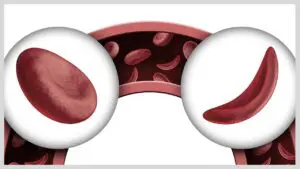
A comprehensive exploration of the prevalence, assessment, diagnosis, and management strategies of anemias and blood disorders in pediatric patients, including sickle cell anemia, thalassemia, hemophilia, and microcytic and macrocytic anemias.

Endocrine Issues and Disorders

.25 contact hours of Continuing Education (which includes .25 hours of pharmacology)

16 min

A detailed overview of the most common endocrine conditions occurring in pediatric populations such as diabetes mellitus and congenital and acquired thyroid disorders, featuring baseline labs, diagnostic evaluations, clinical assessments, and management guidelines for appropriate evaluation and treatment.

Need a full comprehensive review?
Consider our Live Webinar or Home Study options!

How It Works

  1. Once you have completed the purchase of your Barkley Blocks, PowerPoint handouts of the selected chapters will be available in your Courses tab and in the Barkley & Associates app.
  2. To access your course, please log in at www.NPcourses.com or on the eBook app.
  3. Go to Your Account in the upper right corner and click on Courses.
  4. Locate your course in the list and click on it.
  5. PowerPoint handouts are available to view and download for every lecture under “eBooks.” We strongly recommend that you download our App, so that you may highlight and take notes as you view each video.
  6. After successful completion of the Course Evaluation, participants will receive a CE certificate of completion.
  7. Upon submission of the Course Evaluation, your Continuing Education Certificate will appear for you to print and/or save in PDF format. We strongly recommend that you print or save the certificate immediately, as your certificate will not be stored in your account indefinitely.


 

Refunds are not allowed on any of Barkley & Associates’ products.

  • Pediatric Primary Care Nurse Practitioner | Block 1: Health Promotion

  • Pediatric Primary Care Nurse Practitioner | Block 2: Early Developmental Stages

  • Pediatric Primary Care Nurse Practitioner | Block 3: Late Developmental Stages

  • Pediatric Primary Care Nurse Practitioner | Block 4: Bones and Nerves

  • Pediatric Primary Care Nurse Practitioner | Block 5: Gastrointestinal and Genitourinary Disorders

  • Pediatric Primary Care Nurse Practitioner | Block 6: Heart and Lungs

  • Pediatric Primary Care Nurse Practitioner | Block 7: Practice Issues and Cultural Considerations

  • Pediatric Primary Care Nurse Practitioner | A la Carte: Dermatological Disorders and Communicable Diseases

  • Pediatric Primary Care Nurse Practitioner | A la Carte: Sexually Transmitted Infections

  • Pediatric Primary Care Nurse Practitioner | A la Carte: Eye, Ear, Nose, and Throat Issues and Disorders

  • Pediatric Primary Care Nurse Practitioner | A la Carte: Anemias and Other Hematologic Issues and Disorders

  • Pediatric Primary Care Nurse Practitioner | A la Carte: Endocrine Issues and Disorders